info@nextdaydemolition

Tank Removal Services in MD, VA, DE, DC and other nearby areas!

We provide tank removal services on both above and below ground tanks for residential and commercial properties in MD, VA, DE, DC, and surrounding areas. Our team in your area takes care of old oil, septic, propane or gas tanks safely and efficiently. We handle everything from permits to cleanup – making the job easy and hassle-free.

Family Owned
Licensed & Insured
Experienced Team
Trusted & Expert
Satisfaction Guaranteed
Environmentally Friendly

Home > Our Services > Residential Demolition > Tank Removal Services

We offer tank removal services (above or below ground) for homes and businesses in MD, VA, DE, DC and other nearby areas.

Why Homeowners and Business Owners Remove Their Tanks

There are many reasons why people take out their tanks. It’s more than just creating space. Old tanks for oil, septic, propane, gas and etc., can pose risks. As time goes by, steel tanks may start to rust causing leaks. This can damage the soil and water, resulting in expensive repairs down the line. Homeowners usually remove tanks before putting their homes on the market. This can boost the property’s value and help avoid potential issues. Companies often take out tanks to comply with new regulations, improve their systems, or make room for expansion and development.

Some tanks simply don’t serve a purpose anymore. A homeowner switching from oil to gas heating systems may find an old oil tank buried in their yard. A company may take out an old propane tank when switching to electric equipment. Leaving abandoned tanks in place can lead to problems – such as creating tripping hazards or paying hefty environmental fines. Removing them creates a feeling of calm, clears up space and helps maintain the aesthetic look and safety of your property.

The Difference of Above & Below Ground Tanks

Understanding whether your tank is above ground or below ground matters – especially for removal.

Above Ground Tanks:

  • Its simpler and more cost-effective to access and remove
  • Easy to notice and check
  • Very common for propane and small diesel tanks
  • Less expensive on permits and excavation work
  • Cleanup involves surface soil and visual checks

Below Ground Tanks:

  • Buried underground in soil or concrete, harder to reach which means (extra work and expenses)
  • Often requires digging and excavation equipment
  • Common for oil, gas and large storage tanks
  • Needs soil testing and possible remediation
  • Permits and inspections from a specialist usually required

Difference: Above ground tanks are on the surface, making them easier and cheaper to remove while below ground tanks are buried underground which means it needs a lot of work like digging, possible concrete cutting and sometimes it requires soil testing. But both types needs careful planning, usually the below ground tank jobs takes longer and require more teamwork and likely expensive.

Our Tank Removal Process

Our tank removal process is super simple. No headaches or hassles!

  1. First thing we do is we go visit your property and check the tank size, type and where it is located.
  2. Once we check it, we will look for any permits or inspection needed in your town/city or county.
  3. Once we have all of the permits, we will proceed to the removal, but first we will drain any leftover liquids inside the tank and disconnect all the lines.
  4. And then we proceed to the removal of the tanks (For above ground tanks, we take away the unit. For below ground tanks, we will dig it out, clean the soil and remove it safely. After that we will fill the hole and make the area smooth again.)
  5. We will make sure that the job follows the local regulations during the whole process, this is to ensure you are safe from start to finish.

Tank Removal Cost Explained (Above & Below)

Tank removal costs vary in a lot of things. The price depends on tank size, type, location, depth, access and whether it’s under soil or concrete. Here’s a basic idea:

  • Above Ground Tank Removal: This is often less expensive because the tank is easy to reach. Costs usually start at $800 to $1,600 or more. The price depends on the tank size, the type and what’s inside of it. While others may show average prices, our team focuses on clear pricing and provides great service and value.
  • Below Ground Tank Removal: Similar on above ground but its more complicated. You have to pay for digging, breaking the concrete, filling in the hole, testing the soil and getting rid of waste. The price usually ranges from $1,600 to over $4,400. If the tank is large or hard to reach, the price may go up.

Keep in mind that size matters – a huge commercial fuel tank costs more to remove than a small residential propane tank. Location matters too! – tanks under driveways or patios take extra work. Always get a detailed estimate first, because unexpected conditions like rusted fittings, contaminated soil, utility lines can increase the price. Knowing this stuff first helps you make the right decisions and budget.

Permits, Regulations & Other Things to Consider

Before you remove a tank, you need the right permits and must follow local and state rules. Many places require a permit for removing a below ground tank. Inspectors may check that fuel lines are capped and the soil is safe. There are also rules about how to dispose of tank materials and soil, especially if it’s an oil or gas tank. If tests show contamination, you may need to clean up the area before filling it back in.

Permits can take time, so plan ahead. Although your contractor should assist with the paperwork, you still need to understand the requirements in MD, VA, DE, and DC. If we don’t follow the rules it may lead to fines or additional work. Choosing a contractor who knows the local rules can save you stress, time and money.

Get a Free Tank Removal Estimate

Get a fast, accurate estimate today from a trusted local team. Clear pricing. No pressure.

Most requests are reviewed within 15 minutes during business hours.

Name(Required)
Town/City(Required)

Professional contractors committed to safe, compliant demolition.

Tank Removal Services FAQ

If you have any questions about tank removal, feel free to ask! We have the answers you need. This FAQ includes all the important details homeowners and businesses should consider before beginning a tank removal project, from costs and permits to safety and cleanup.

How long does tank removal take?

Most above ground tanks take a few hours to remove. Below ground tanks can take a full day or more because of digging and safety checks. Each job is different based on access, size and soil type.

Do I need a permit for tank removal?

Yes, especially below ground tank jobs. Most of the local authorities commonly need permits, inspections and proof or evidence that the tank was removed safely. Don't worry we will help you with this.

What happens to the fuel or substance inside of the tank?

We drain and safely dispose of any remaining liquid - like oil, gas, or septic waste before removal. This keeps spills and environmental problems from happening. We don't want fines and issues (you're satisfaction is our top priority!)

Will removing a tank disturb my yard?

Yes, it only happens when removing a below ground tank. This is because it involves digging, so there will be some disruption. However, professional teams like us dig and removes the tank carefully and restore your yard with soil and grading afterward.

Can old tanks contaminate soil?

Yes, old steel tanks can rust and leak. That’s why soil testing and cleanup may be needed by law before filling in the hole.

Is tank removal worth it when selling a home?

Yes! Removing the old tanks can increase your home’s value and make it safer for buyers too! If you don't remove it and you'll sell it, we recommend that you inform them about the tank.

How do you find buried tanks?

Professionals use tools like ground-penetrating radar or old property maps to find tanks before digging.

What are the risks of DIY tank removal?

It can be very risky. You could hit utility lines, spill liquids, mishandle dangerous materials or break the law. We do not suggest doing this yourself. We understand that $800 to $1500 or more is a lot of money, but consider the fines and legal issues you might face. We recommend hiring a contractor like us. It is 100% safe and efficient.

Can a tank be left in the ground instead of removed?

Sometimes, tanks can be cleaned and filled with safe material, but many places require full removal, especially for regulated fuels.

Do commercial tanks cost more to remove?

Yes, larger commercial tanks are more complex and have stricter rules, so expect higher costs and longer job times.

Figuring out the answers to these questions can make your planning way easier. Pick what works for you and fits your wallet.

Ready to Transform and Add Value To Your Property

Call us today for your free estimate. Whether you’re looking for exterior or interior demolition contractor, residential demolition contractor, or commercial demolition contractor in Maryland, Virginia, Delaware, Washington D.C.? our team is ready for any type of demolition service – whether it’s full, partial, selective, or custom demo. Let’s transform your property today!
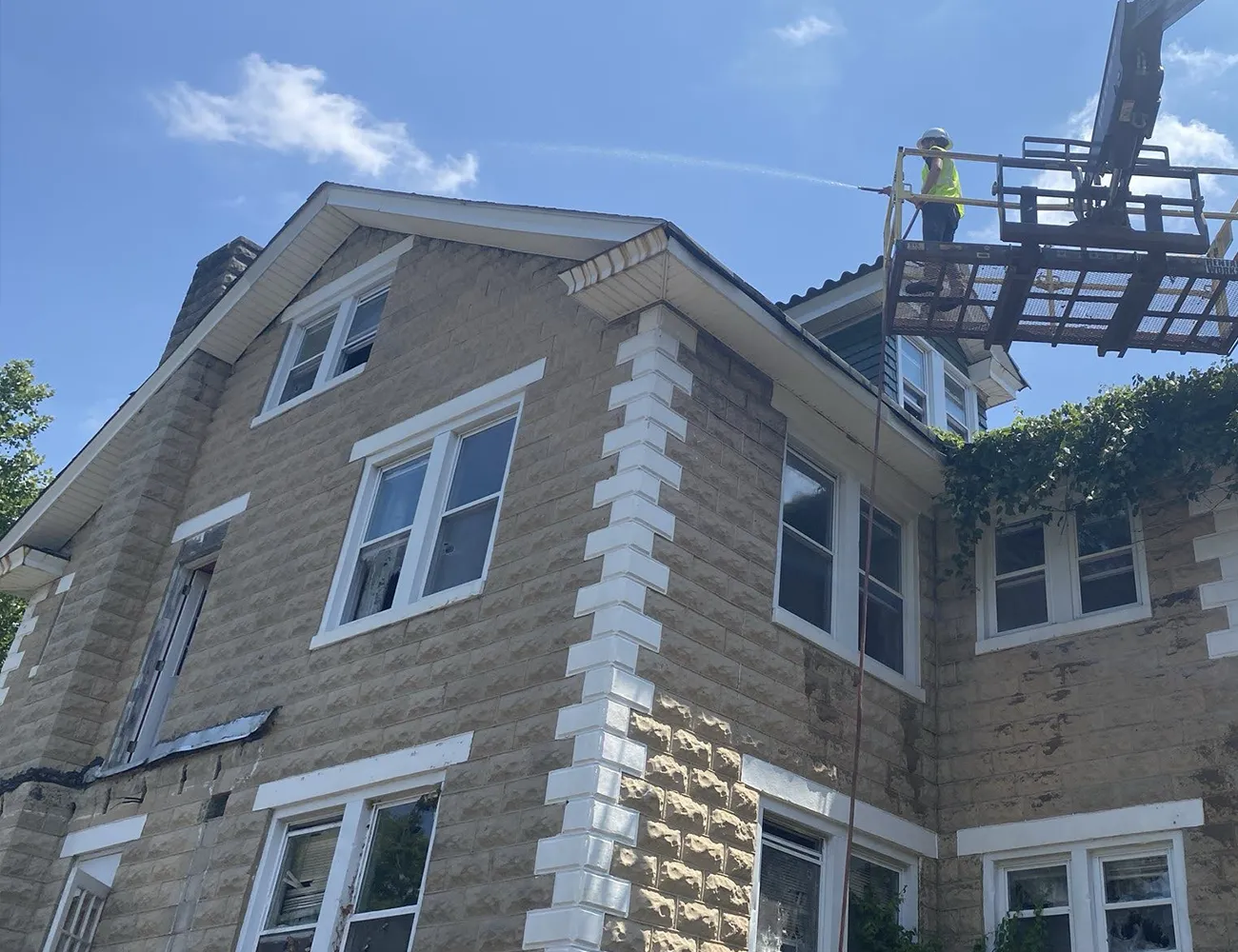

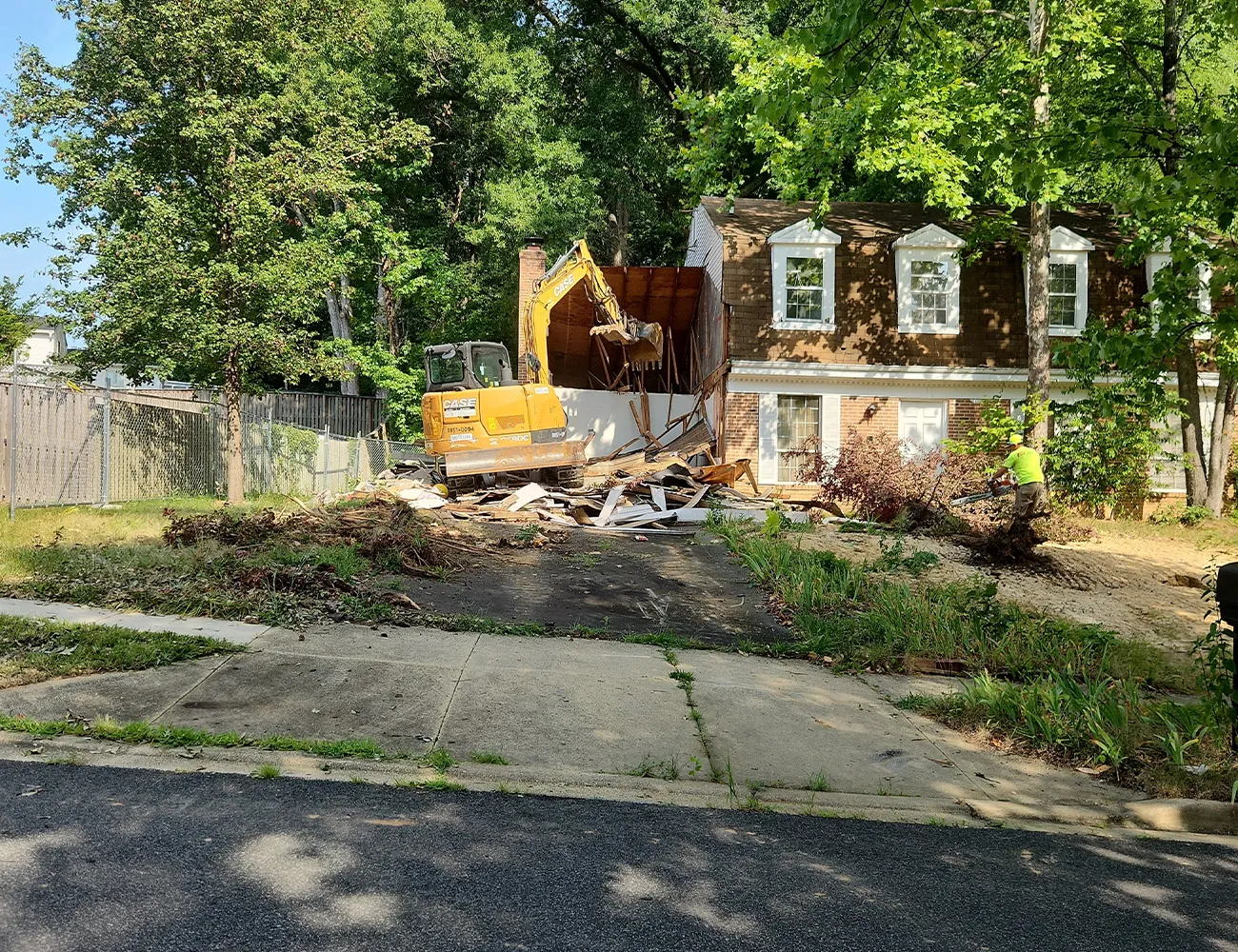
Partial or Selective Demolition of a residential house. (Before Image)Partial or Selective Demolition of a residential house. (After Image)
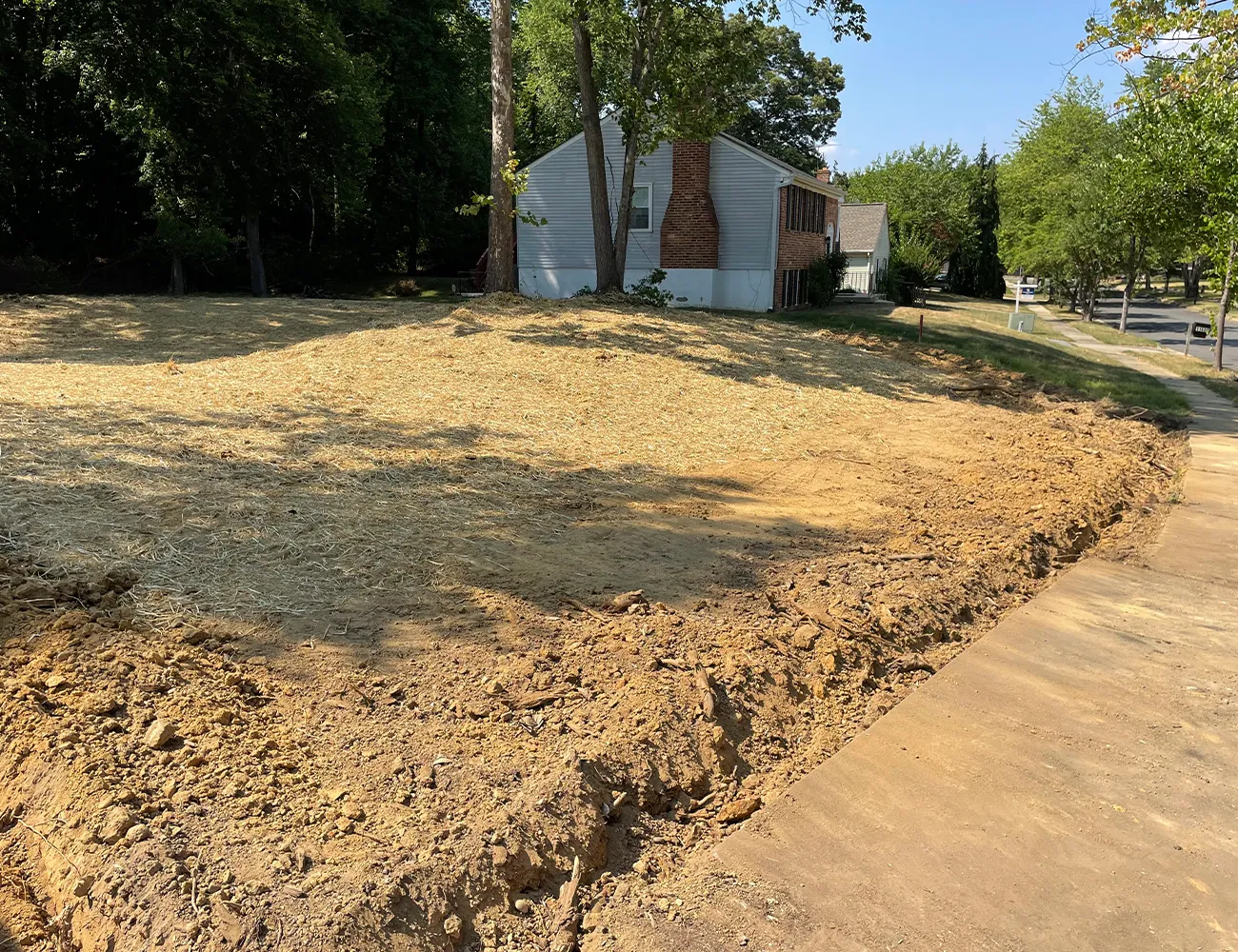
Before image of a residential property we demolished (Complete or Full House Demolition).After image of a residential property we demolished (Full House Demolition).
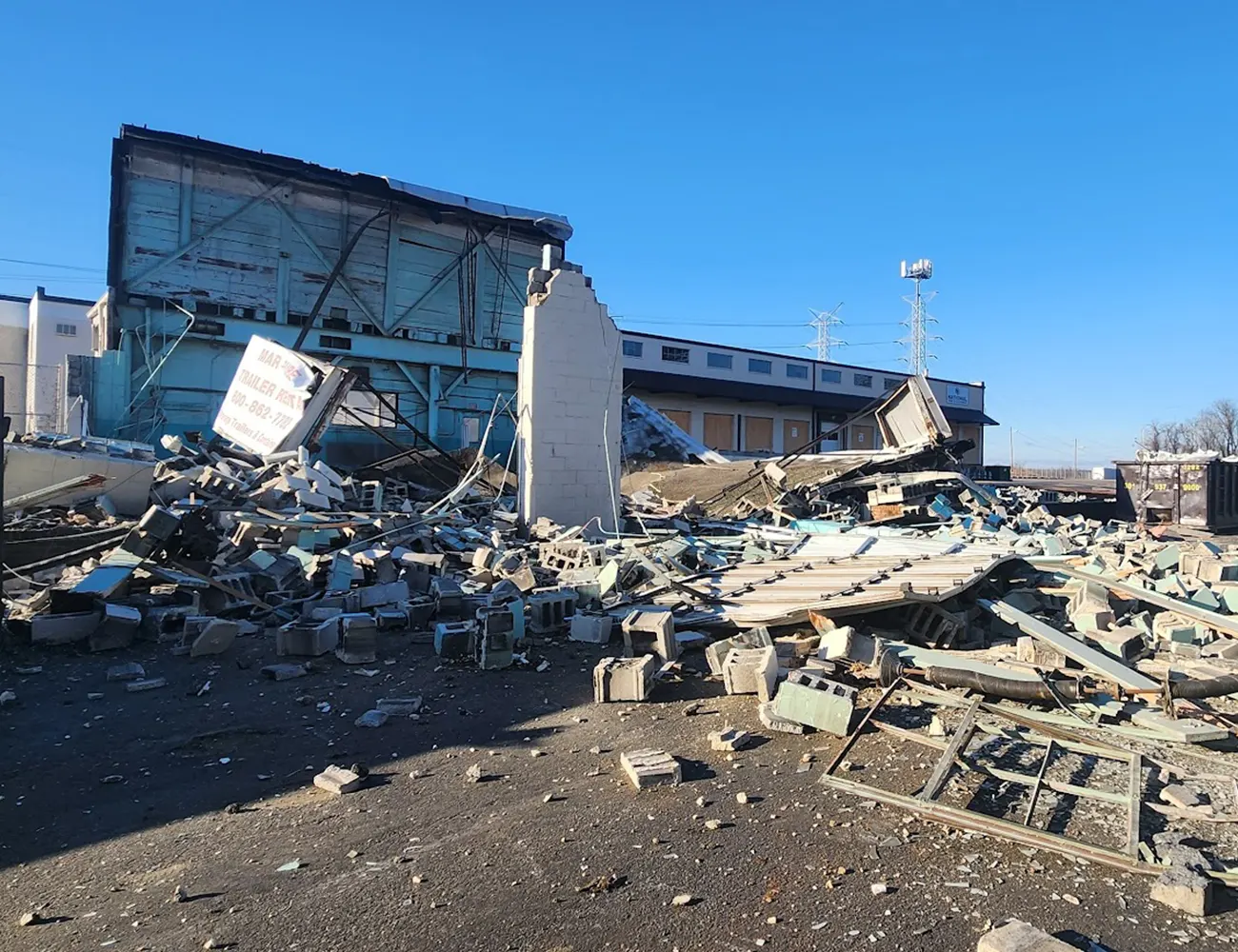
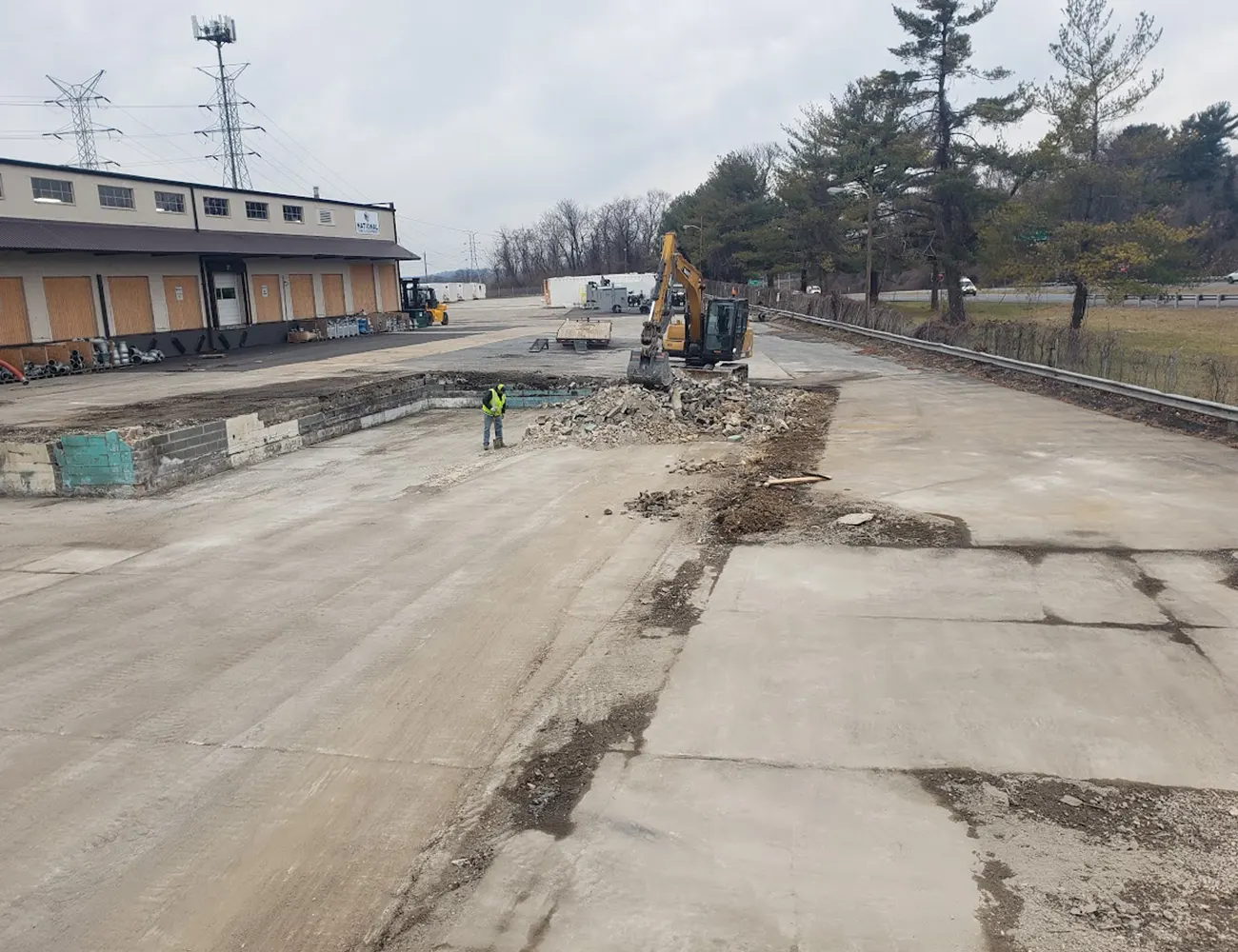
Before image of a commercial property we demolished (Complete or Full Warehouse Demolition).After image of a commercial property we demolished (Complete or Full Warehouse Demolition).
Before image of a commercial property we demolished (Mobile Home or Trailer Removal and Demolition).After image of a commercial property we demolished (Mobile Home or Trailer Removal and Demolition).